
Case Study — DailyBloom IBS · Dr. Reddy's Laboratories
Turning a health app people abandoned into a daily habit.
DailyBloom IBS helps people manage a long-term gut condition — the kind most people give up on. I redesigned the app so they'd actually stick with it, lifting app use 72% and bringing in 2,000+ new patients in under nine months.
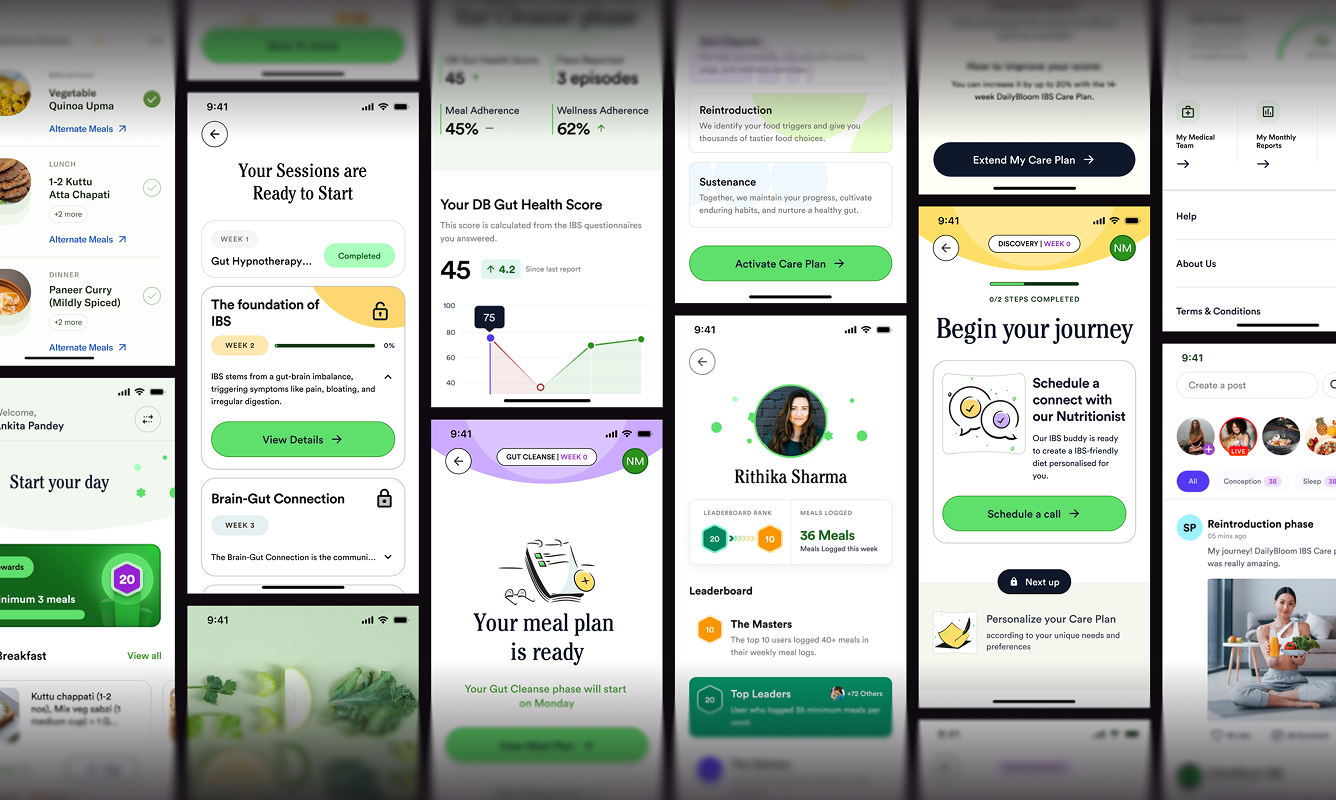
The Situation
Dr. Reddy's Laboratories built DailyBloom IBS to help people manage IBS — a gut condition you can't cure. You can only keep it under control, with daily effort, for months on end.
And that's the hard part. Getting better is slow and hard to see, the daily effort never stops, and most people lose motivation long before they feel any benefit. So they quit.
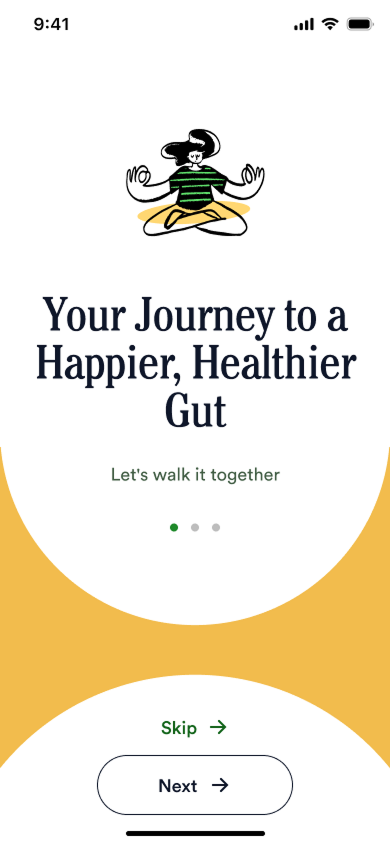
The Problem
Getting people to download the app was easy. Keeping them was not — because in health apps, people lose motivation faster than the app can prove its worth.
When someone stops using DailyBloom, it isn't just a lost user — the treatment stops working. Here, people quitting isn't only a business problem. It's a health problem.
What made this hard
- Getting better meant sticking to daily habits, with no breaks.
- The usual way of tracking felt boring and pointless.
- People quit quietly, with no warning.
- People had to trust the app with their health before committing.
My Role
I joined as the Product Designer. My job was to design everything that would keep people motivated long enough to actually feel better — from the overall plan down to each screen.
What I focused on
What Was Really Missing
I studied where people dropped off, and found the surprising part: they knew exactly what to do. The app just gave them no reason to keep going.
Three things the app never gave people
A feeling of reward
A way to see progress
A reason to come back tomorrow
The easy fix would be to add points, badges, and streaks, like a game. But this is a serious health app — go too far and it feels childish, and people stop trusting it. So I took a more careful approach, with four key decisions.
The Four Fixes
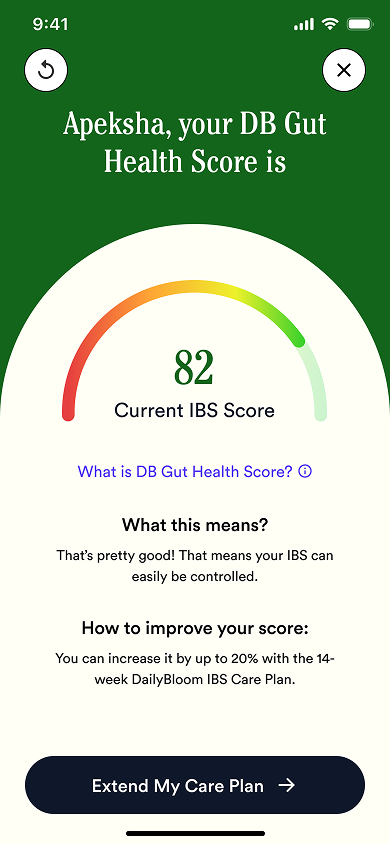
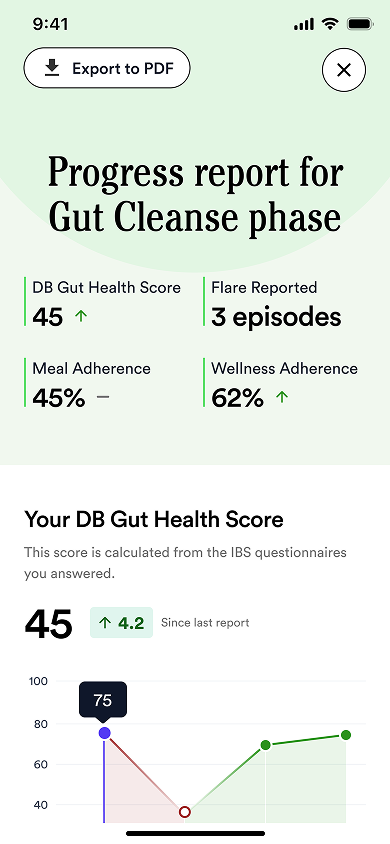
Make invisible progress visible
IBS gets better slowly, and on the inside. People couldn't feel any change, so they gave up before it ever showed.
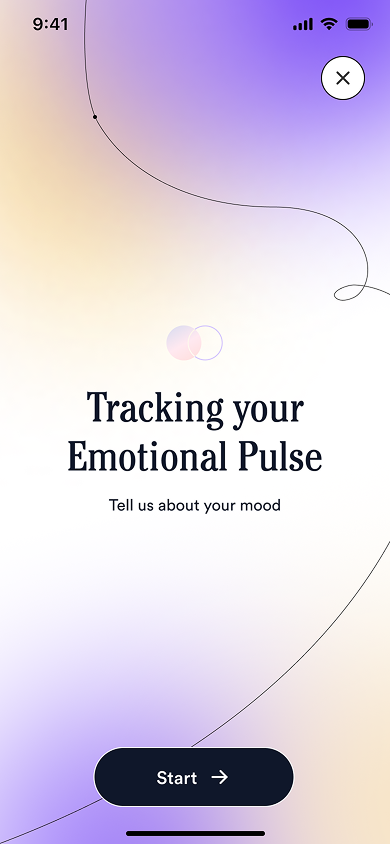
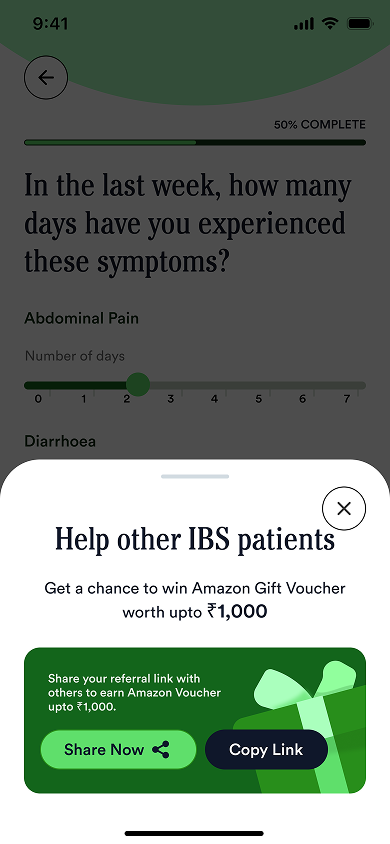
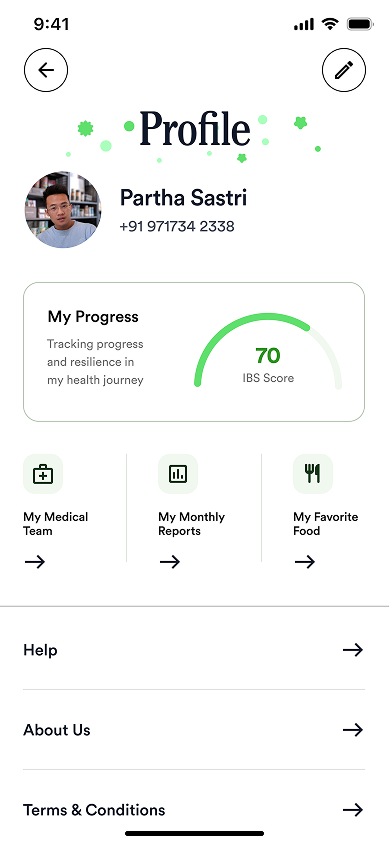
I turned the app's health questions into one simple number — the Gut Health Score — and made watching it grow the heart of the experience. Now people could see their progress climb, dip, and recover: proof their effort was adding up.
One number that moves gave people all three missing things at once: a feeling of reward, a sense of progress, and proof their effort was working.
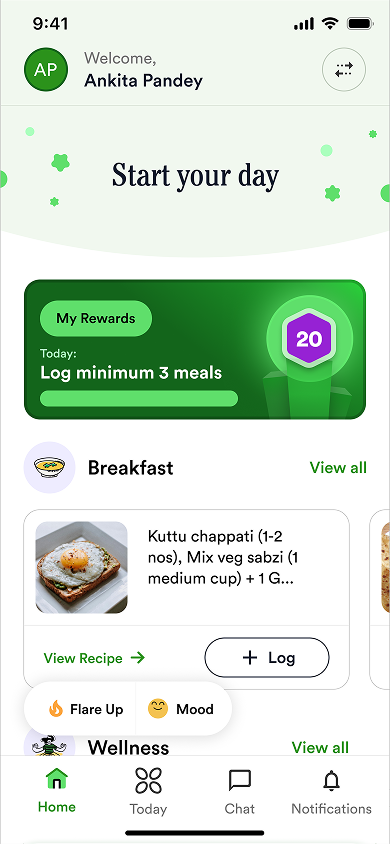
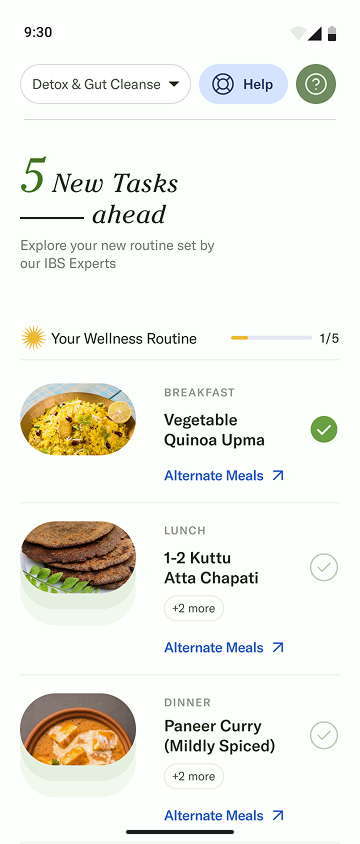
Reduce every day to one clear step
Too many choices quietly kill habits. Faced with a long list of health tasks every day, people just learn to ignore it.
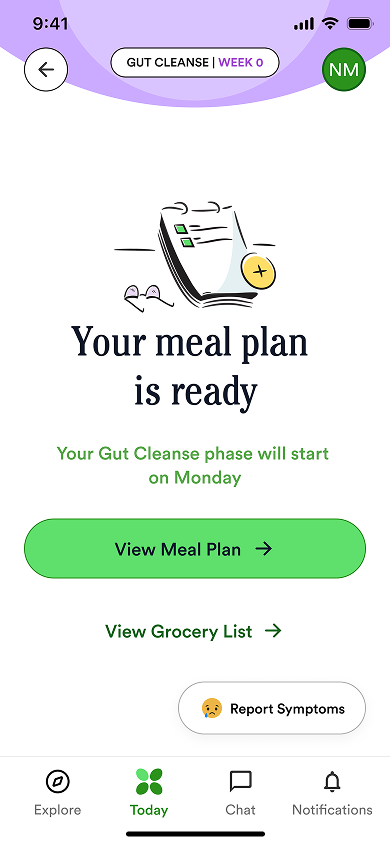
So I cut each day down to one clear action — today's meals, shown simply and logged in a couple of taps. The app handled the complicated parts in the background, so a person only ever had to take the next small step.
Habits are built from small, easy actions repeated daily. Those small steps added up to the consistency the treatment really needed.
Build trust before asking for effort
People won't commit months of effort to an app they don't yet trust with their health.
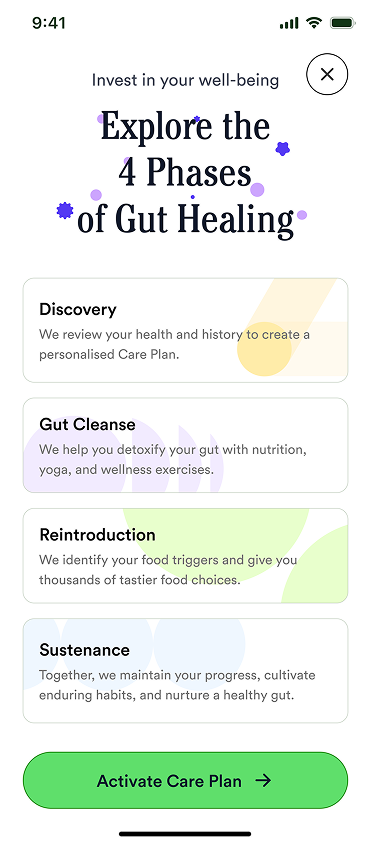
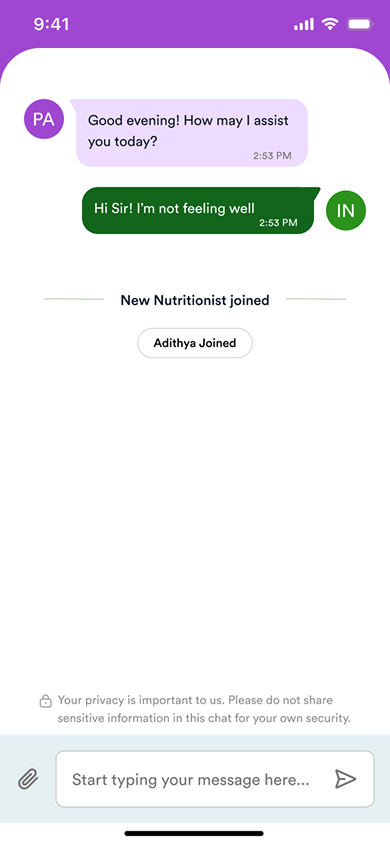
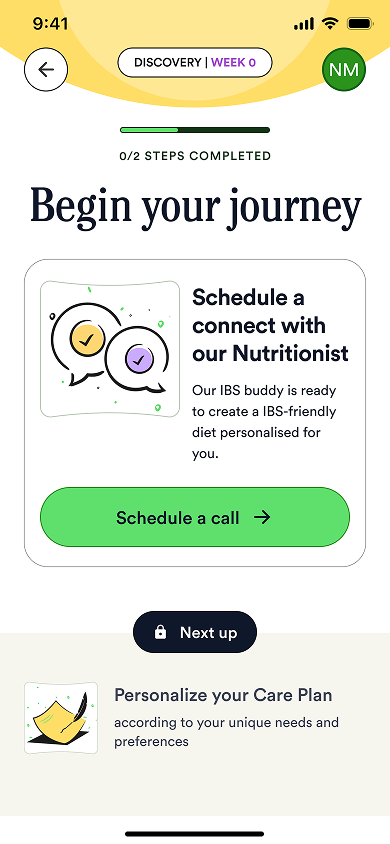
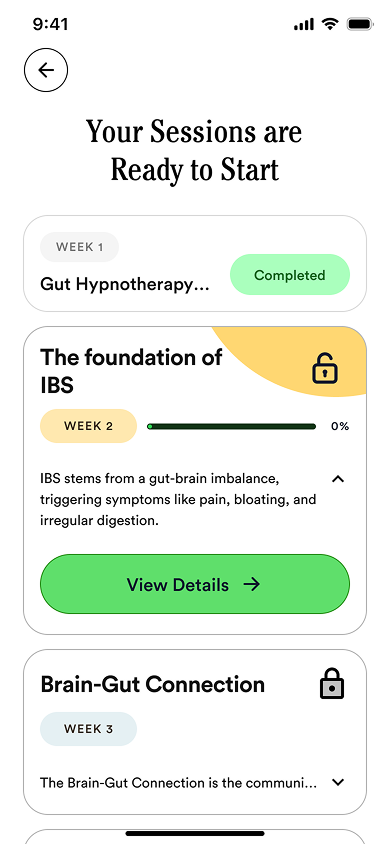
So I built the journey as four clear stages — Discovery, Gut Cleanse, Reintroduction, and Sustenance — so it always felt medical and trustworthy. And I put a real nutritionist just one tap away. The more people used the app, the more they trusted it.
A clear medical plan, plus a real expert to talk to, made the daily asks feel worth it — building trust instead of wearing it down.
Turn a solo journey into a shared one
Willpower runs out when you're on your own. It lasts far longer when other people are in it with you.
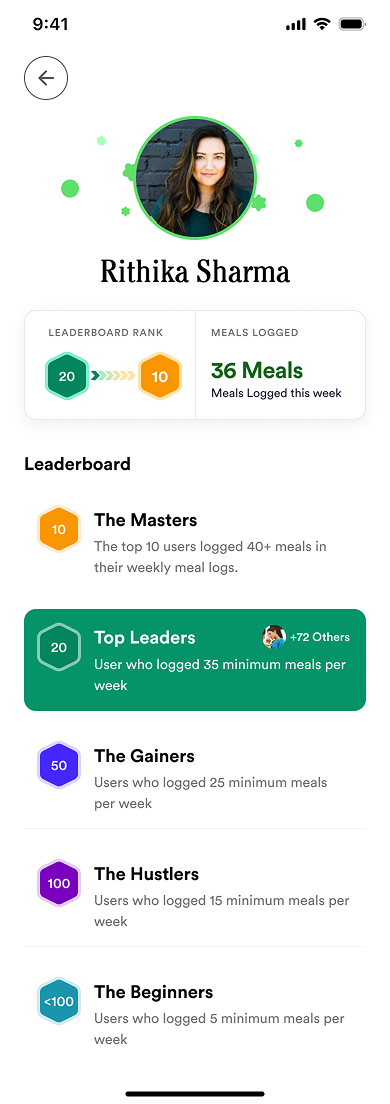
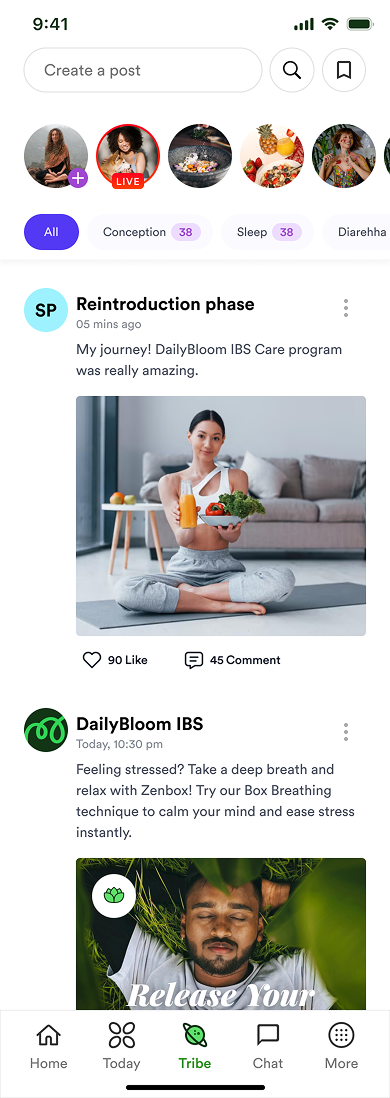
Instead of loud points and streaks, I added gentle rewards for simply showing up, and a community called the Tribe — where people with the same condition cheered each other on. Now support came from other people, not just the app.
Feeling part of a group lasts longer than motivation. Seeing others keep going — and being seen yourself — gave people a reason to come back that a solo tracker never could.
The Results
The four fixes worked. People stopped quitting halfway and started coming back to build real habits — and the business grew with them.
New patients in under nine months
More people using the app after the redesign
People kept coming back to build habits — instead of quitting their treatment halfway.
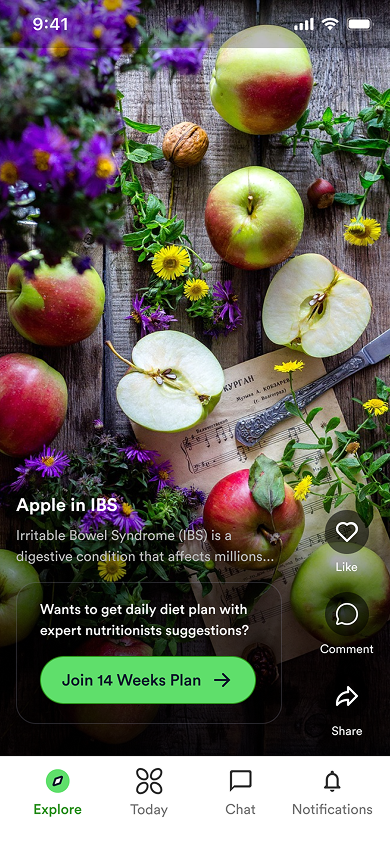
Keeping people engaged was good for business, too. Because they stayed long enough to see the value, more of them bought the 14-week Care Plan and the Starter Kit — bringing in ₹10L+ in extra revenue within six months. When people stick around, the business grows with them.

What I Learned
"Designing for health isn't about getting people to finish tasks. It's about understanding how motivation quietly fades over time — and building something that helps people keep going when willpower alone isn't enough."
Thanks for reading.